Establishing a presence in a new market is a significant milestone, though it naturally presents a complex landscape of considerations. For entrepreneurs exploring a business setup in a Dubai free zone, the primary appeal lies in 100% foreign ownership and a highly competitive tax environment. These strategic advantages frequently act as a catalyst to scale startups into international enterprises.
However, Dubai is home to dozens of different free zones, and each one has its own personality and set of rules. Trying to compare them all can feel like a full-time job when you should be focusing on your actual business plan.
In this guide, we’ll cover the benefits you can expect, important key factors when choosing a free zone, and the process of setting up your business.
What is a Dubai Free Zone?
To understand how business setup in a Dubai free zone works, it helps to first define what a free zone actually is. Think of a free zone as a specific area within the city that has its own set of business-friendly rules. These zones were created to encourage international trade by removing the usual barriers that companies face when moving into a new country.
When you launch your business in a Dubai free zone, your company is governed by the specific authority of that zone rather than the standard UAE federal laws used for mainland businesses.
Why Choose the Free Zone Model? Key Benefits
The unique set of incentives designed to help businesses thrive is mainly what makes setting up a business here so sought-after. Unlike many other global hubs, Dubai’s free zones offer a level of financial freedom that is hard to find elsewhere. These benefits are not just for large corporations, but are also equally available to startups and small businesses looking to keep their overheads low.
Below are key benefits in terms of finances and tax, as well as operations:
Financial Freedom and Tax Advantages
The financial perks are usually the first thing people notice. While the UAE has introduced a federal corporate tax in recent years, many free zone companies can still benefit from exemptions depending on their activity and compliance status. Here is a breakdown of the primary incentives:
100% Foreign Ownership
You do not need a local partner or sponsor to own your business. You have full control over every decision and every share in the company.
Full Profit Repatriation
There are no restrictions on moving your money. Whether it is your initial capital or the profits you have made, you can send 100% of it back to your home country whenever you like.
Tax Exemptions
Most free zones offer long-term exemptions from corporate and personal income taxes. This allows you to reinvest more of your earnings back into the business.
No Currency Restrictions
You can trade in multiple currencies without being forced to convert your funds, which is a major advantage for companies dealing with international suppliers.

Strategic and Operational Incentives
Beyond the money, there are practical reasons why these zones make sense for a new company. The infrastructure in Dubai is world-class, and free zones are often at the heart of it.
Industry Clustering
By being in a zone filled with similar businesses, you get better access to a specialised workforce and potential partners. For example, being in a dedicated “Internet City” or “Media City” puts you exactly where your clients are.
Simplified Recruitment
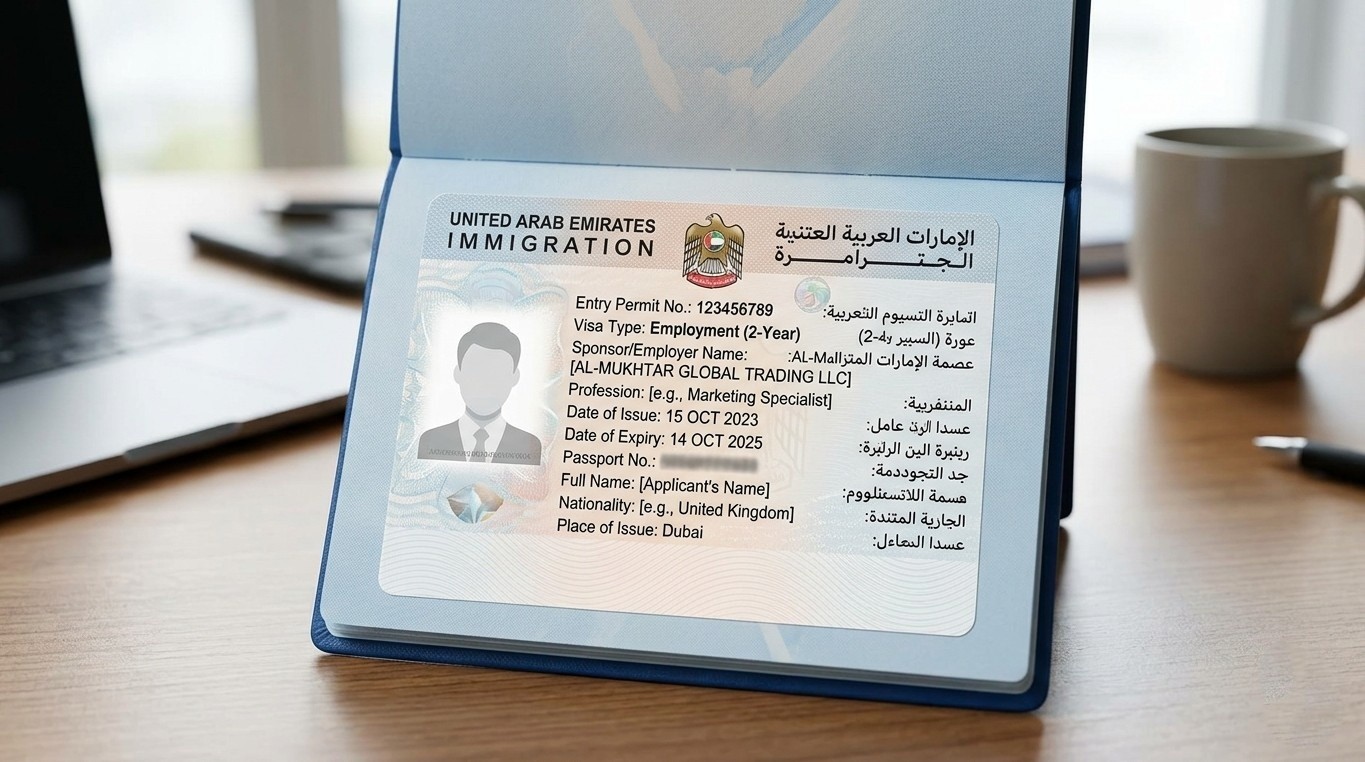
The process for getting visas for international staff is generally much faster and more straightforward in a free zone. The authorities act as a middleman, making the immigration paperwork much easier to handle.
World-Class Facilities
From high-speed internet to advanced logistics hubs, these areas are built for efficiency. Many offer pre-built warehouses or offices, meaning you can start your operations almost immediately after getting your license.
Simplified Customs Procedures
Free zones often provide streamlined customs clearance for imports and exports, reducing delays and paperwork for your business. This makes it much easier to move goods quickly and reliably, saving both time and costs.
Integrated Logistics Hubs
Many free zones are strategically located near ports, airports, and transportation networks, which makes supply chain management more efficient. This connectivity ensures faster distribution and easier access to local and international markets.
Dubai Free Zone Company Structures
Most free zones in Dubai allow for five main types of structures. Choosing the right one ensures that your business is legally compliant and ready for the specific type of growth you have planned.
Free Zone Establishment (FZE)
An FZE is a single-shareholder entity that exists as a separate legal person from its owner. It offers limited liability, meaning your personal assets are protected while you maintain 100% control over the business.
Ideal for: Solo entrepreneurs, freelancers, and consultants.
Free Zone Company (FZCO)
An FZCO is a partnership structure that allows for two or more shareholders. It functions like a limited liability company, where the business risks and initial investments are shared among the partners.
Ideal for: Startups with multiple founders or companies launching joint ventures.
Branch of a Local or International Company
A branch is a direct extension of an existing parent company rather than a new legal entity. It allows a brand to expand into a free zone using its established global reputation without needing separate share capital.
Ideal for: Existing brands looking for a cost-effective way to enter the Dubai market.
Choosing the Right License
Your license must match the actual activities your business performs. Most free zones offer three main categories that cover almost every commercial need:
Commercial license: Necessary for those trading, importing, or exporting physical goods like electronics or textiles.
Professional license: Designed for service-based businesses, such as consultants, designers, or legal experts.
Industrial license: Required if you are manufacturing or processing raw materials into finished products within the zone.
Finding the Best Location for Your Business
With so many different hubs available, picking the right spot for your business setup in Dubai depends mostly on what your company does. Many free zones in Dubai are “themed,” meaning they were built to support specific industries. For example, if you are in the media or advertising world, there is a zone designed specifically for you with studios and production houses already on-site.
It’s also worth looking at the community within each zone. Being surrounded by similar companies can lead to better networking and easier access to specialised talent. We also suggest looking at the physical location of the zone. If your company is in the business of shipping physical goods, being close to the Jebel Ali Port or Al Maktoum International Airport can save you a lot of time and money on transport.
Factors to Consider Before Deciding
Before you sign a lease or apply for a license, there are a few practical details to check. Every zone has its own price list and its own set of rules for office spaces. Some allow you to start with a “flexi-desk” (a shared workspace), while others might require you to rent a permanent office.
License Types: Make sure the zone offers the specific activity you want to perform, whether it is consultancy, retail, or industrial.
Expansion Room: Check if the zone has larger offices or warehouses available so you don’t have to move the whole company when you grow.
Support Services: Look for zones that offer easy online portals for renewing your license or applying for staff visas.
Step-by-Step Process to Set Up Your Business in Dubai Free Zone

The process for a business setup in Dubai free zone is generally straightforward, but it does require following a specific order to avoid delays. Because each zone acts as its own regulator, they have the power to approve your company and issue your license directly.
While the exact steps can vary slightly depending on the free zone authority, the overall process generally follows these stages: :
1. Choose Your Business Activity
Start by clearly defining the activities your company will undertake. Your chosen activity determines the type of license required and which free zones are suitable for your business.
2. Choose the Right Free Zone
Dubai has more than 20 free zones, each designed for specific industries such as media, technology, logistics, or trading. Selecting the right free zone depends on your business activity, budget, office requirements, and visa needs.
3. Register Your Trade Name
You will need to submit several trade name options to the free zone authority. They will review them to ensure the name is available and complies with local naming regulations.
4. Apply for Initial Approval
At this stage, the authority conducts a preliminary review of your application. This usually includes evaluating your proposed business activities and verifying supporting documents such as passport copies.
5. Choose an Office Space
Free zones typically offer several workspace options, including flexi-desks, shared offices, or private offices. Your lease agreement is usually required before the license can be issued.
6. Final Licensing and Registration
Once all documents are submitted and the relevant fees are paid, the free zone authority will issue your trade license along with key incorporation documents such as the share certificate and memorandum of association.
Opening a Corporate Bank Account
Once you have your trade license in hand, the next vital step is opening a bank account. In the UAE, banks have strict “Know Your Customer” (KYC) rules. You will need to show your new company documents, proof of address, and sometimes a summary of your business experience. It is often helpful to choose a bank that has experience working with companies in your specific free zone.
Cost Overview
While Dubai offers great tax advantages, there are several standard costs that every business owner should expect. These costs are generally split between the government fees for your license and the operational costs of running your office.
By understanding these figures early on, you can avoid any surprises and ensure your capital is being used effectively. Most free zones provide a transparent breakdown of their fees, but the total amount will vary depending on how many visas you need and the type of workspace you choose.
Typical Expenses
Licensing Fees: This is the payment made to the free zone authority to allow you to trade. Depending on the zone and your activity, this can range anywhere from AED 10,000 to AED 50,000 per year.
Visa and Immigration Costs: For every employee or shareholder moving to Dubai, there are costs for entry permits, medical tests, and Emirates ID cards. These are usually renewed every two or three years.
Office and Workspace Costs: This is often the most flexible part of your budget. While some zones require a physical lease, others allow for “flexi-desk” options.
Setting Your Business Up for Success
Establishing a business setup in Dubai free zone is a significant step toward international growth. By choosing the right legal structure and license, you create a foundation that allows your company to benefit from the UAE’s tax-efficient environment and world-class infrastructure. While the options can seem vast, focusing on your specific industry needs and long-term goals will help you navigate the process with confidence.
We specialise in providing high-end workspace solutions and professional support needed to get your business running without the typical administrative hurdles. From prestigious addresses to fully managed offices, we ensure you have everything required to focus on your core operations.


" height="24px" id="lngUwvl9j" width="24.0000007312145px"/><g d="M 1.925 0 C 1.925 0 15.99 1.45 17.396 2.148 C 17.449 2.795 17.572 4.891 17.572 4.891 C 17.572 4.891 9.256 6.114 9.08 6.236 C 9.027 6.533 7.973 21.659 8.148 24 L 0.008 24 C 0.008 24 -0.238 7.686 1.925 0 Z M 21.466 4.88 C 21.466 4.88 23.523 12.741 22.873 23.797 L 8.685 23.797 C 8.685 23.797 9.564 8.426 9.617 6.679 C 10.742 6.627 21.466 4.88 21.466 4.88 Z" fill="transparent" height="24px" id="Z2jQXORih" width="22.999999859819656px"><path d="M 1.925 0 C 1.925 0 15.99 1.45 17.396 2.148 C 17.449 2.795 17.572 4.891 17.572 4.891 C 17.572 4.891 9.256 6.114 9.08 6.236 C 9.027 6.533 7.973 21.659 8.148 24 L 0.008 24 C 0.008 24 -0.238 7.686 1.925 0 Z" fill="rgba(109, 110, 112, 0)" height="24px" id="uRCSoYpF9" transform="translate(0 0)" width="17.571788860132756px"/><path d="M 12.781 0 C 12.781 0 14.838 7.86 14.188 18.917 L 0 18.917 C 0 18.917 0.879 3.546 0.932 1.799 C 2.057 1.747 12.781 0 12.781 0 Z" fill="rgba(19, 118, 189, 0)" height="18.917030567685604px" id="wgj7RvRWd" transform="translate(8.685 4.88)" width="14.314947941789871px"/></g></svg>)