In business, time is one of the most valuable resources. Every minute spent inefficiently can impact deadlines, productivity, and overall performance. In 2025, office environments are fast-paced, with tight deadlines, frequent meetings, and constant streams of information. Effective time management is essential for staying organised, reducing workplace stress, and maintaining productivity throughout the day.
By managing your time wisely, you can complete tasks more efficiently, deliver higher-quality work, and achieve a better balance between professional responsibilities and personal well-being.
What is Time Management?
Time management refers to the process of planning, organising, and controlling how you allocate your time to various tasks and activities. It involves prioritising responsibilities, setting goals, scheduling work efficiently, and minimising distractions to make the most effective use of the time available.
Understanding the meaning of time management and its importance helps you complete tasks on schedule, reduce stress, improve productivity, and maintain a balanced and organised workday, a crucial skill in 2025’s fast-paced world of remote work, hybrid offices, and constant digital distractions.
Benefits of Time Management in the Workplace
Lowers stress by keeping tasks organised and manageable.
Increases productivity by ensuring focus on the most important work.
Helps meet deadlines without last-minute rushes.
Improves work quality through better planning and attention to detail.
Supports a healthier work–life balance.
Builds confidence and motivation as tasks are completed on time.
Strengthens reliability and trust among colleagues and managers.
Allows space for creativity, planning, and professional growth.
10 Time Management Techniques for the Office in 2025
Here are 10 time management techniques that experts recommend for staying productive and organised in an office environment.
1. Plan Ahead
Spending a few minutes at the end of each day planning your tasks for the next can make a significant difference. List your projects, meetings, and administrative duties, and allocate a realistic time frame to each.
Preparing in advance allows you to start the day focused and organised, reducing delays and unnecessary stress. You can also gather any materials or documents you will need, which prevents last-minute scrambles.
Over time, planning ahead helps you recognise patterns in your workflow and improves your ability to estimate how long tasks will take.
2. Be Ready to Reassess
Even the best-laid plans can be disrupted by urgent requests or unexpected tasks. When this happens, it is important to pause and reassess your schedule calmly. Determine which activities are most pressing and which can be postponed or delegated.
By adjusting your priorities as the day unfolds, you can handle new responsibilities efficiently without feeling overwhelmed. Reassessing regularly also helps you avoid wasted effort and ensures that important tasks are completed on time, rather than being rushed at the last minute.
3. Prioritise Wisely
Not all tasks carry the same level of importance, so it’s essential to identify those that will have the greatest impact. Focus first on high-priority or time-sensitive projects to meet deadlines and reduce pressure.
For smaller or routine activities, set aside dedicated time blocks during the day for emails, calls, or administrative work. This approach prevents distractions, keeps you focused on meaningful goals, and ensures your energy is directed where it matters most.

4. Break Work into Steps
Large projects can feel overwhelming when approached as a single task. Breaking them into smaller, manageable steps is a time management technique that allows you to make steady progress without feeling stressed.
For example, instead of planning an entire presentation in one go, start by researching key points, then create slides, and finally rehearse the delivery.
Completing each step provides a sense of achievement, maintains motivation, and helps you better allocate your time. Smaller tasks are easier to schedule and integrate into your day, making even complex projects more manageable.
5. Use a Calendar
A detailed calendar, whether digital or paper-based, is essential for effective time management. Schedule all appointments and tasks to stay organised and avoid overlaps.
In 2025, AI-powered tools like Outlook Copilot, Notion, and ClickUp make planning smarter by automating reminders, prioritising tasks, and suggesting optimal meeting times. While digital calendars offer flexibility, many still use paper planners for quick overviews, combining both ensures balance and efficiency.
6. Keep Your Desk Clear
A cluttered workspace often leads to a cluttered mind. Keeping your desk organised reduces the time you spend searching for documents or office supplies, helping you stay focused on your work.
Set aside a few minutes each week to tidy your space, discard unnecessary items, and arrange essentials within easy reach. A clean and orderly desk creates a professional environment and signals to yourself and others that you are in control.
It also reduces distractions, which is essential when handling multiple tasks that require concentration and, most importantly, creativity.
7. Limit Distractions
Interruptions in the office can significantly reduce productivity. Learning to manage them is one of the most important time management techniques to master. Turn off non-essential notifications, close unrelated tabs, and let colleagues know when you are concentrating on important work.
Even short distractions can derail your focus and extend the time it takes to complete tasks. Consider creating blocks of uninterrupted work time where you can dedicate your full attention to priority projects. By actively managing distractions, you can improve efficiency, produce higher-quality work, and make your working day feel more manageable.
8. Learn to Say No
Effective time management also means recognising your limits. You cannot accept every request or task without risking burnout or reduced quality. Politely declining less urgent or non-essential commitments helps you protect your time for high-value responsibilities.
Saying “no” reflects professionalism and self-awareness, not unwillingness, it demonstrates your ability to maintain focus, deliver quality results, and sustain a healthy work-life balance.
9. Delegate When Appropriate
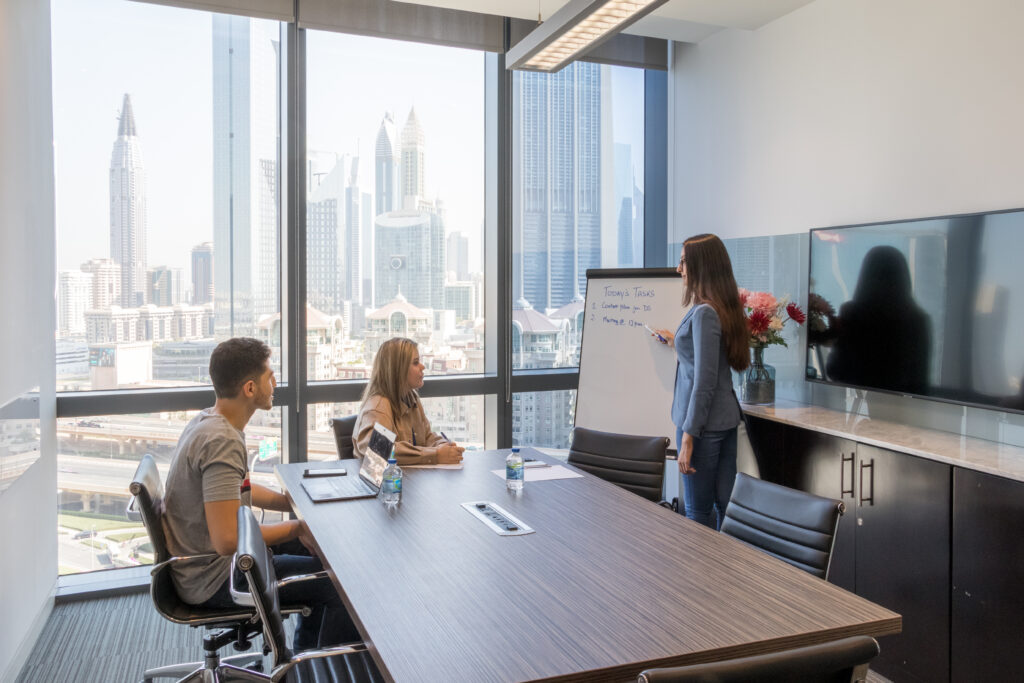
Delegating tasks is a key aspect of time management techniques. If a colleague can complete a task with the same or better efficiency, consider handing it over. Clearly explain the task requirements and provide any necessary guidance, then trust your colleague to carry it out.
Delegation frees your time for higher-priority responsibilities, encourages teamwork, and allows others to develop their skills. Knowing when and how to delegate is an important part of working efficiently in a professional office environment.
10. Reflect Regularly
At the end of each day or project, take time to reflect on what went well and what could be improved. Ask yourself whether deadlines were realistic and whether tasks were completed efficiently.
Reflection is one of the most reliable time management techniques that allows you to identify patterns, adjust strategies, and plan future work more effectively. Regular evaluation not only improves productivity but also helps you learn from experience, ensuring that you continue to refine your approach to managing time in the office.
Final Thoughts on Time Management in the Office
Time management is crucial for success in an office setting. By planning ahead, prioritising tasks, maintaining focus, and reflecting on your performance, you can complete work efficiently, reduce stress, and consistently deliver high-quality results.
Implementing these time management techniques allows you to structure your working day effectively, giving you more control and confidence in your professional performance.
By making small adjustments to how you work, paired with the right environment and choosing the right workspace, you can achieve more in less time and maintain a productive, professional atmosphere.

Workspace Solutions Designed for Better Time Management and Focus
myOffice offers premium coworking and serviced office solutions in Dubai, strategically located in Downtown Dubai and Dubai Marina. Their workspaces are meticulously designed to foster productivity, streamline operations, and support effective time management.
By combining ergonomic furniture, optimised layouts, modern amenities, and flexible configurations with essential administrative services such as mail handling and concierge support, myOffice allows professionals to focus on what truly matters, minimise distractions, and make the most of their working day.


" height="24px" id="lngUwvl9j" width="24.0000007312145px"/><g d="M 1.925 0 C 1.925 0 15.99 1.45 17.396 2.148 C 17.449 2.795 17.572 4.891 17.572 4.891 C 17.572 4.891 9.256 6.114 9.08 6.236 C 9.027 6.533 7.973 21.659 8.148 24 L 0.008 24 C 0.008 24 -0.238 7.686 1.925 0 Z M 21.466 4.88 C 21.466 4.88 23.523 12.741 22.873 23.797 L 8.685 23.797 C 8.685 23.797 9.564 8.426 9.617 6.679 C 10.742 6.627 21.466 4.88 21.466 4.88 Z" fill="transparent" height="24px" id="Z2jQXORih" width="22.999999859819656px"><path d="M 1.925 0 C 1.925 0 15.99 1.45 17.396 2.148 C 17.449 2.795 17.572 4.891 17.572 4.891 C 17.572 4.891 9.256 6.114 9.08 6.236 C 9.027 6.533 7.973 21.659 8.148 24 L 0.008 24 C 0.008 24 -0.238 7.686 1.925 0 Z" fill="rgba(109, 110, 112, 0)" height="24px" id="uRCSoYpF9" transform="translate(0 0)" width="17.571788860132756px"/><path d="M 12.781 0 C 12.781 0 14.838 7.86 14.188 18.917 L 0 18.917 C 0 18.917 0.879 3.546 0.932 1.799 C 2.057 1.747 12.781 0 12.781 0 Z" fill="rgba(19, 118, 189, 0)" height="18.917030567685604px" id="wgj7RvRWd" transform="translate(8.685 4.88)" width="14.314947941789871px"/></g></svg>)