Dubai’s growing community of pet owners has led to a rising demand for professional veterinary services. Pet clinics play a vital role in meeting these needs, from routine care to specialised treatments. If you’ve ever thought about starting a pet clinic in Dubai, this guide is here to help.
We’ll walk you through the essential steps, from choosing the right business setup to meeting licensing requirements and submitting the necessary documentation. Setting up a business in Dubai comes with its share of challenges, but with the right preparation, it’s manageable.
To make the process even smoother, expert support like myOffice PRO services can save you time and effort. We can assist you with navigating the legal requirements, managing paperwork, and helping you focus on what matters most—creating a successful clinic that provides top-notch care for pets.

The Growing Pet Ownership Trend in Dubai
Pet ownership is becoming increasingly popular in Dubai, with more residents viewing pets as part of their families. This shift has created a growing demand for reliable veterinary services to ensure pets remain healthy and well-cared for. As a result, the pet care industry has seen significant growth, presenting excellent opportunities for businesses to thrive.
Dubai’s diverse population and affinity for high-quality services further fuel this demand, making it an ideal location for starting a veterinary clinic. Understanding this trend is crucial for planning your clinic and catering to the specific needs of the local market.
Free Zone vs Mainland: Choose the Right Setup for Your Veterinary Clinic
Deciding between a Free Zone or a Mainland setup is a key step in starting a veterinary clinic in Dubai. A Mainland licence allows you to operate anywhere in Dubai, serve a wider customer base, and partner directly with government entities.
In contrast, a Free Zone setup offers benefits like 100% ownership and tax advantages but limits operations within the Free Zone or specific partnerships. Your decision should align with your business goals, target customers, and operational needs. Knowing these distinctions will help you select the option that best supports your clinic’s growth.

3 Steps to Open a Pet Clinic in Dubai
Starting a pet clinic in Dubai involves several steps, but the process becomes much simpler with a clear plan.
Step 1: Research and Planning
Start by conducting market research to understand the needs of pet owners in Dubai. Identify your target audience—are they mainly dog or cat owners, or do they have exotic pets? This will help you determine the niche your clinic will serve.
Once you’ve identified your target audience, decide on the range of veterinary services your clinic will offer. This could include general health check-ups, vaccinations, surgical procedures, dental care, grooming, or pet boarding services. Understanding the services most in demand within your area will help you position your clinic effectively in the market.
Use this stage also to outline a business plan. Include expected costs, revenue forecasts, and your clinic’s operational structure. Proper planning helps with decision-making and makes the licensing process smoother when you present your business plan to authorities.
Step 2: Location and Premises
Choosing the right location for your pet clinic is crucial to its success. Look for a space that is easily accessible and visible to potential customers. Areas near residential communities or pet-friendly neighbourhoods often make the best locations. Visibility and convenience will attract walk-in clients and ensure pet owners can access your emergency clinic.
Once you’ve identified a suitable space, ensure it complies with Dubai’s strict regulations for veterinary clinics. The premises must meet specific hygiene and structural requirements the Dubai Municipality sets. This includes proper ventilation, waste disposal systems, separate treatment and waiting areas, and sterilisation equipment.
Step 3: Licensing and Legal Requirements
Veterinary clinics in Dubai fall under the jurisdiction of the Dubai Municipality, which oversees licensing and operational compliance.
Start by applying for a professional trade licence. This requires submitting documents such as your business plan, proof of tenancy for the clinic space, and copies of all owners’ and managers’ identification documents.
In addition to the trade licence, you’ll need specific approvals to carry out veterinary services. These approvals include verification of the qualifications of veterinary practitioners and adherence to facility standards. The Dubai Municipality ensures that all clinics meet the required operational and medical standards before granting these approvals.
Working with PRO services in Dubai can simplify this process. We can guide you through documentation and ensure compliance, saving you time and effort while avoiding potential errors or delays.
List of Required Documents for Registration and Licensing
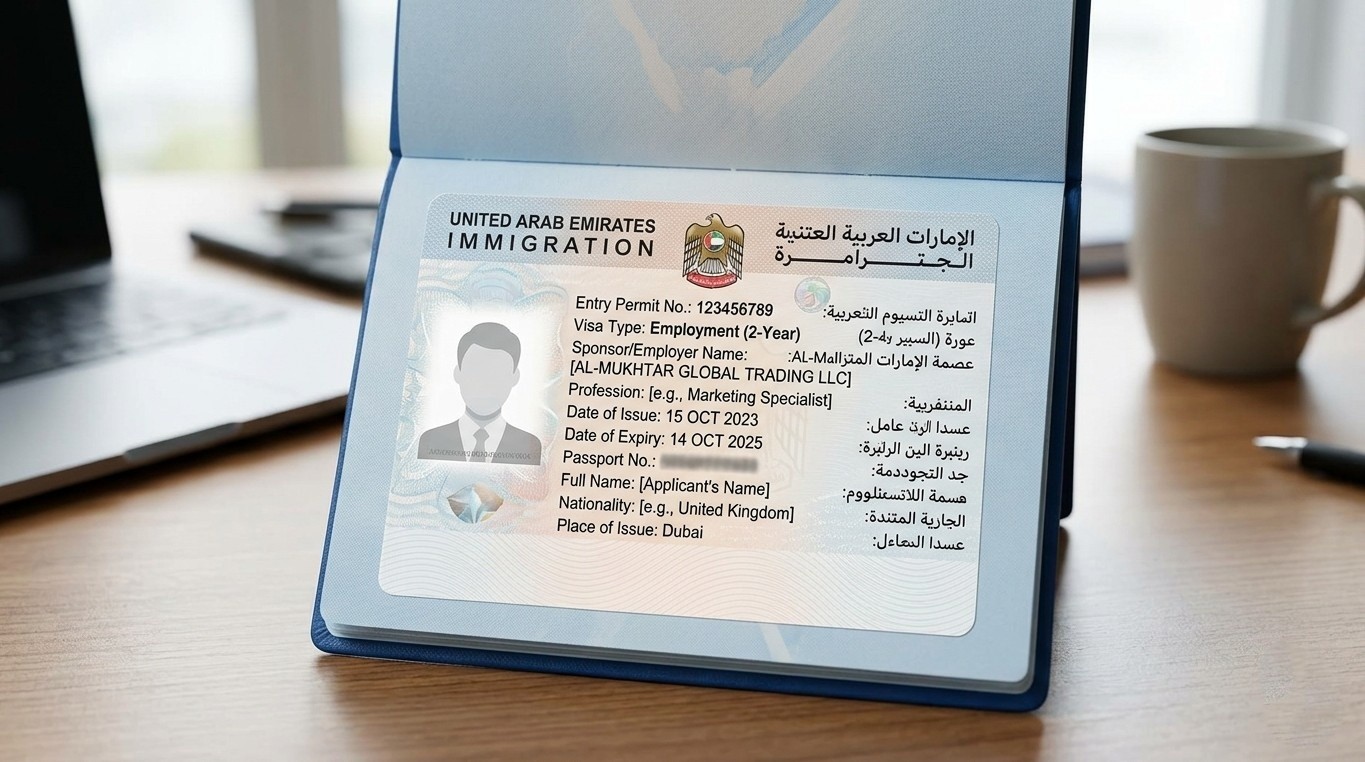
Passport copies of shareholders.
Local sponsor agreement (if applicable).
Tenancy contract for clinic premises.
Qualification certificates for veterinary professionals.

Other Important Considerations When Opening a Vet Clinic
Once you’ve planned your pet clinic’s setup, location, and licensing, additional factors must be addressed to ensure your clinic operates smoothly and stands out in the competitive market. Here are some key areas to focus on.
Hiring Qualified Staff
Hiring the right team is essential for running a successful pet clinic. Licensed veterinary practitioners are a mandatory requirement in Dubai. Ensure all veterinarians hold valid certifications and are registered with the appropriate regulatory bodies.
In addition to veterinarians, experienced support staff are crucial. This includes veterinary assistants, receptionists, and cleaners who understand the specific needs of a clinical environment.
Procuring Equipment and Supplies
Equipping your clinic with the right tools and supplies is vital for quality care. Start by procuring essential medical and surgical equipment such as examination tables, diagnostic tools, sterilisation machines, and surgical instruments. These items must meet industry standards to comply with regulations.
In addition, stock up on pet care products and medicines. This includes vaccines, antibiotics, flea and tick treatments, and dietary supplements—partner with reputable suppliers to ensure the quality and reliability of your inventory.
Marketing and Branding
Marketing your clinic effectively will help you build a strong presence in the pet care market. Create a professional website highlighting your services, location, and contact details. Include testimonials and images to build trust and attract potential clients.
Expand your reach through social media platforms, which pet owners widely use. Share valuable tips, updates, and promotions to engage with your audience and establish your brand.
Consider networking with pet-related businesses, such as pet stores, grooming services, or boarding facilities. Collaboration can help you gain referrals and create a supportive community within the pet care industry.


" height="24px" id="lngUwvl9j" width="24.0000007312145px"/><g d="M 1.925 0 C 1.925 0 15.99 1.45 17.396 2.148 C 17.449 2.795 17.572 4.891 17.572 4.891 C 17.572 4.891 9.256 6.114 9.08 6.236 C 9.027 6.533 7.973 21.659 8.148 24 L 0.008 24 C 0.008 24 -0.238 7.686 1.925 0 Z M 21.466 4.88 C 21.466 4.88 23.523 12.741 22.873 23.797 L 8.685 23.797 C 8.685 23.797 9.564 8.426 9.617 6.679 C 10.742 6.627 21.466 4.88 21.466 4.88 Z" fill="transparent" height="24px" id="Z2jQXORih" width="22.999999859819656px"><path d="M 1.925 0 C 1.925 0 15.99 1.45 17.396 2.148 C 17.449 2.795 17.572 4.891 17.572 4.891 C 17.572 4.891 9.256 6.114 9.08 6.236 C 9.027 6.533 7.973 21.659 8.148 24 L 0.008 24 C 0.008 24 -0.238 7.686 1.925 0 Z" fill="rgba(109, 110, 112, 0)" height="24px" id="uRCSoYpF9" transform="translate(0 0)" width="17.571788860132756px"/><path d="M 12.781 0 C 12.781 0 14.838 7.86 14.188 18.917 L 0 18.917 C 0 18.917 0.879 3.546 0.932 1.799 C 2.057 1.747 12.781 0 12.781 0 Z" fill="rgba(19, 118, 189, 0)" height="18.917030567685604px" id="wgj7RvRWd" transform="translate(8.685 4.88)" width="14.314947941789871px"/></g></svg>)